Filipino
Water Absorption Performance Defines End-Use Success
When a garment or home textile fails in moisture management, the cause is almost never the design alone—it is the fabric choice. For buyers sourcing towel fabrics, sport activewear, or outdoor base layers, absorbent fabric must meet measurable performance targets, not just feel soft. The selection difference between cotton terry and engineered synthetic blends can change product cost by 15 to 30 percent and alter drying efficiency by several hours.
This guide provides a practical framework for evaluating absorbent fabric for B2B procurement. It covers absorbency mechanisms, comparative data across fiber types, hidden performance metrics, application distribution, and selection protocols used in quality control departments.
Core Conclusion: What Buyers Must Know First
Absorbency is not a single number. It involves water holding capacity, wicking rate, drying time, and retention under pressure. For apparel, high absorbency without fast drying creates a cold, wet garment next to skin. For terry products, absorbency and hang-dry speed must be balanced. The most efficient path is selecting absorbent fabric based on the end-use moisture profile, not a generic "absorbent" label.
Natural fibers deliver high absorption but slow drying. Synthetic functional fabrics achieve fast wicking and quick drying by using microfibers or hydrophilic finishes. A blend of cotton or rayon with polyester can deliver both comfort and moisture transport.
Our manufacturing experience at Wujiang Lanneret Textile shows that most absorbency complaints stem from mismatched fabric structure and intended use. Evaluating both fiber type and fabric construction together resolves them before mass production.
How Absorbent Fabric Works: Structure and Mechanism
Absorbency operates through two interconnected mechanisms. Understanding both prevents over-reliance on fiber tests alone.
Fiber Chemistry and Hydrophilic Groups
Cotton has hydroxyl groups that attract water molecules into the fiber matrix. Hemp, rayon, and bamboo share similar polar chemistry, which gives them high total water uptake. Polyester and nylon have hydrophobic backbones but can become active wicking fabrics via capillary action in the yarn or chemical finishes.
Fabric Construction and Capillary Spaces
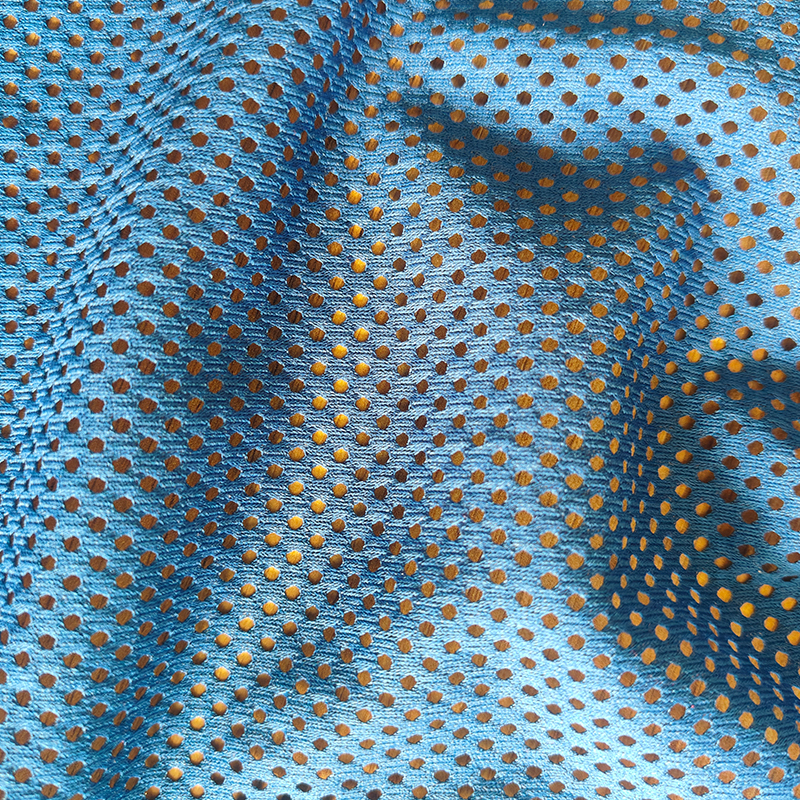
Yarn twist, knit density, and loop height all influence wicking. Terry loops increase water retention and surface area. Mesh structures promote airflow and rapid evaporation. A 150 g/m² single jersey cylinder fabric can outperform a thicker woven fabric in total moisture movement, depending on stitch geometry.
Fiber-Level Absorption
Water diffuses into the fiber matrix. Determines total capacity under immersion conditions.
Fabric-Level Wicking
Moisture moves through yarn spaces. Determines spread rate and evaporation surface area.
Comparative Absorbency Data Across Fiber Types
The table below summarizes typical water absorption performance for commercial fiber types. Values are based on standard test methods for regenerated and natural fibers used in textile mills.
Values shown represent typical ranges for commercially produced fabrics under standard test conditions (moisture regain and capillary rise tests).
Hidden Metrics That Drive Real Performance
Moisture management involves far more than total water retention. The following performance criteria distinguish technically sound absorbent fabric from products that merely test well on a gram-per-square-meter scale.
Wicking
8-12 cm
Retention
75%
Dry Rate
28 min
Air Perm
95 L/m²/s
Key Validation Notes
- Vertical wicking measured over 30 minutes on a 2 cm wide strip. Values above 8 cm indicate good capillary transport for apparel.
- Retention test involves saturation plus centrifugal spinning for 2 minutes. This predicts moisture staying in the fabric rather than draining out.
- Drying rate corresponds to the time to lose 80 percent of water content under 40 degrees circulating air (ISO test conditions).
Application Distribution of Absorbent Fabric Across Industries
The pie chart below visualizes the estimated market share of absorbent fabric end-use segments, based on production volumes reported by textile exporters and international trade data.
Home Textiles 37%
Sports & Activewear 25%
Outdoor Gear 20%
Medical & Hygiene 12%
Other 6%
Selection Guide: Structured Decision Framework
The selection decision for absorbent fabric should follow a structured sequence. Use the step cards below to run a complete procurement evaluation.
Step 1: Define Moisture Load
Estimate total sweat or water exposure. Sports and towels need high capacity; baselayers require rapid transport off the skin.
Step 2: Set Drying Target
Dry rate matters for comfort and mold risk. For towels, 60 minutes is common; for sport shirts, 20-30 minutes is recommended.
Step 3: Verify Batch Consistency
Test 3 lots from the same supplier. Variation in moisture regain above 5 percent signals finishing inconsistencies.
For sports and leisure applications, our knitted jersey fabrics with hydrophilic finishing provide reliable wicking combined with stretch recovery. For home textile items needing high absorbency, terry cloth constructions retain water while remaining soft against the skin. For outdoor use, polyester four-way stretch fabrics offer quick-drying properties with mechanical stretch.
Maintenance and Compliance Recommendations
Absorbent fabric loses performance through improper care and finishing degradation. Following these guidelines keeps end products performing at the expected level.
- Avoid fabric softeners on wicking finishes. Cationic softeners block hydrophilic channels and reduce wicking speed by 30-40 percent after ten washes.
- Test pH levels on dye lots against ISO 3071. Values outside 4.5-7.0 can degrade moisture management finishes over time.
- For antibacterial claims, require evidence from a qualified laboratory showing the fabric remains effective after 50 standard washes (ISO 6330).
International buyers should verify compliance with OEKO-TEX and REACH requirements for absorbent textile products. Regular production auditing on delivery lots keeps quality consistent and reduces batch rejections at the final garment stage.